Published 14 June 2026 | Updated 1 September 2026 by Kate Acaster
Portugal is consistently underestimated. It sits in the bottom third of Western Europe for the cost of a meal, a hotel room, or a beer, yet it has more than 800km of Atlantic coastline, two major cities with world-class architecture, and reliable sunshine from April through October. This Portugal budget travel guide covers what it actually costs, where to go, and when to book. A full week with flights, accommodation, and spending money costs less than a peak-season trip to southern Spain if you pick the right dates.
Advertisement
For more destinations like this, see the full set of Flight Tribe destination guides.
Return flights from UK airports start from around £45–70 in shoulder season on Ryanair and easyJet to Faro, Porto, or Lisbon. Madeira runs higher at £80–130 return. A seven-night Algarve package through Jet2 or easyJet Holidays starts from around £550–650 per person in May or October, rising to £900–1,200 in August. The gap between shoulder and peak pricing is among the sharpest of any European sun destination.
Latest Portugal deals
Loading deals…
Explore our Portugal budget travel guides
This Portugal budget travel guide links to detailed spokes for the main destinations, covering where to stay, what to do, and how to keep costs down.

The best beaches in Portugal
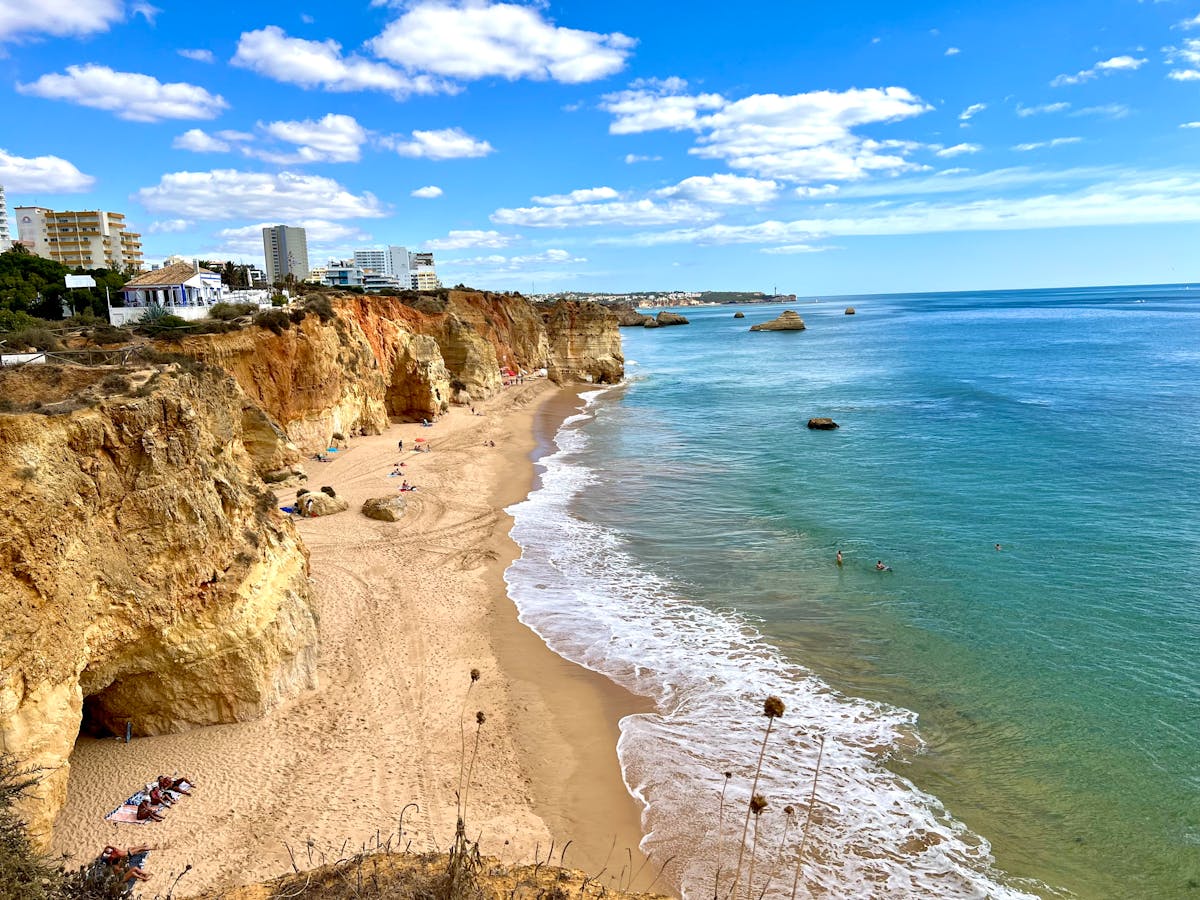
Portugal is blessed with an exceptional Atlantic coastline, and most of the best-known beaches are in the Algarve, where sheltered coves sit between dramatic limestone cliffs. These are the ones worth seeking out specifically.
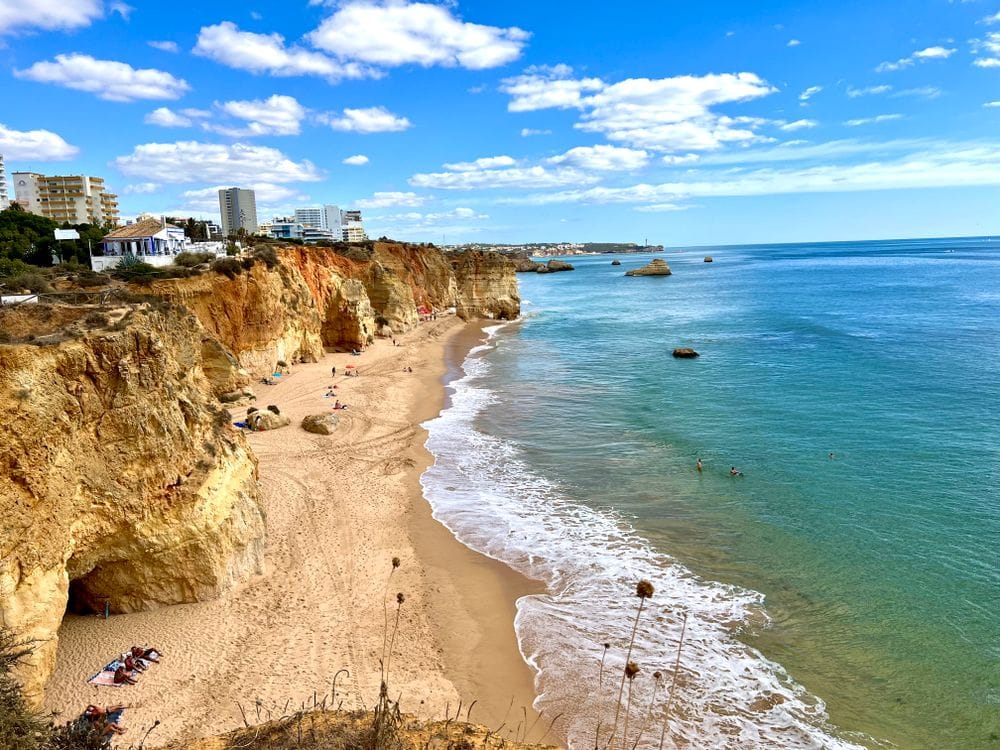
Praia da Marinha, Lagoa
The most-photographed beach in the Algarve and worth the reputation. Enclosed by limestone rock formations with clear, sheltered water. The beach is compact, so arrive early in high summer. Accessible via a short cliff path from the car park.
Praia do Camilo, Lagos
Access is down wooden steps cut into the cliff face, which keeps the crowd smaller than more accessible Algarve beaches. The enclosed cove is sheltered and the water stays clear. Lagos has several other beaches within walking distance of the town.
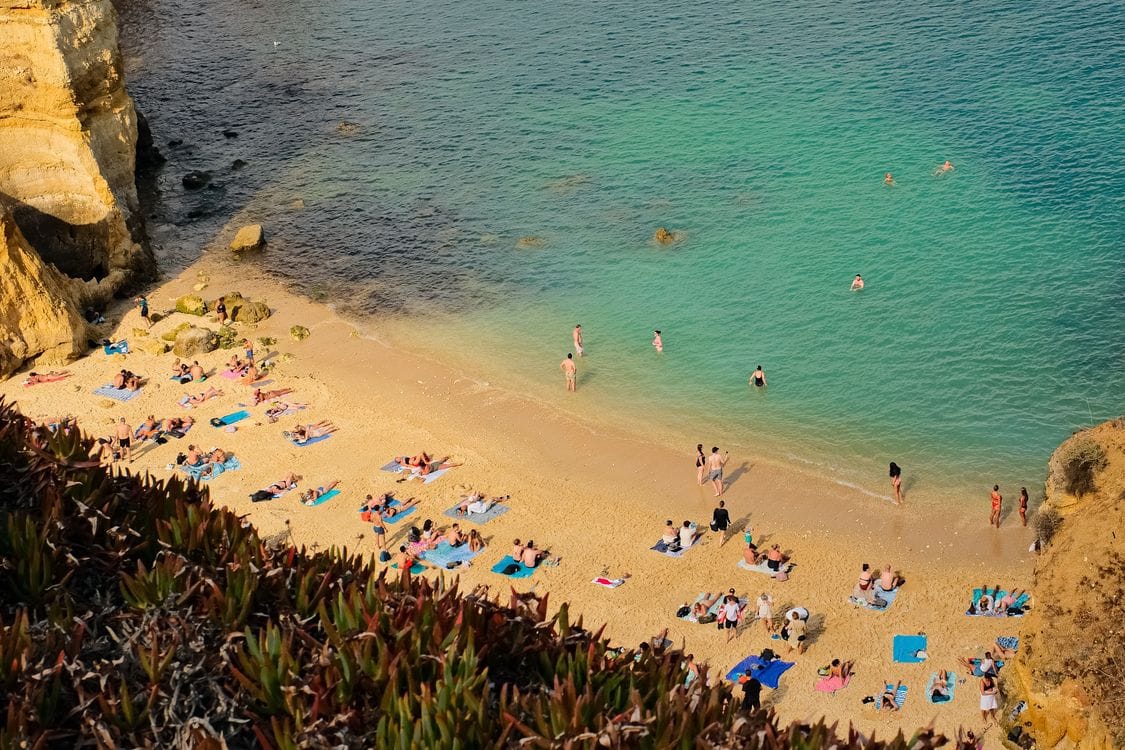
Meia Praia, Lagos
A long, wide Atlantic beach east of Lagos that rarely gets as crowded as the central Algarve resorts. Windsurfers use the western end; the middle is calm and family-friendly. A beach bar and restaurant operate through the summer season.
Comporta, Costa Alentejana
North of the Algarve and outside the main package-tourism zone. Around 30km of undeveloped Atlantic coast backed by pine forest, with no high-rise hotel development. A hire car is necessary, but the payoff is serious beach without the summer crush.
Things to do in Portugal
Portugal has enough beyond beaches to fill several separate trips. These are the experiences that reward the effort, from a dusk walk through Lisbon’s oldest neighbourhood to a levada trail through Madeira’s interior.
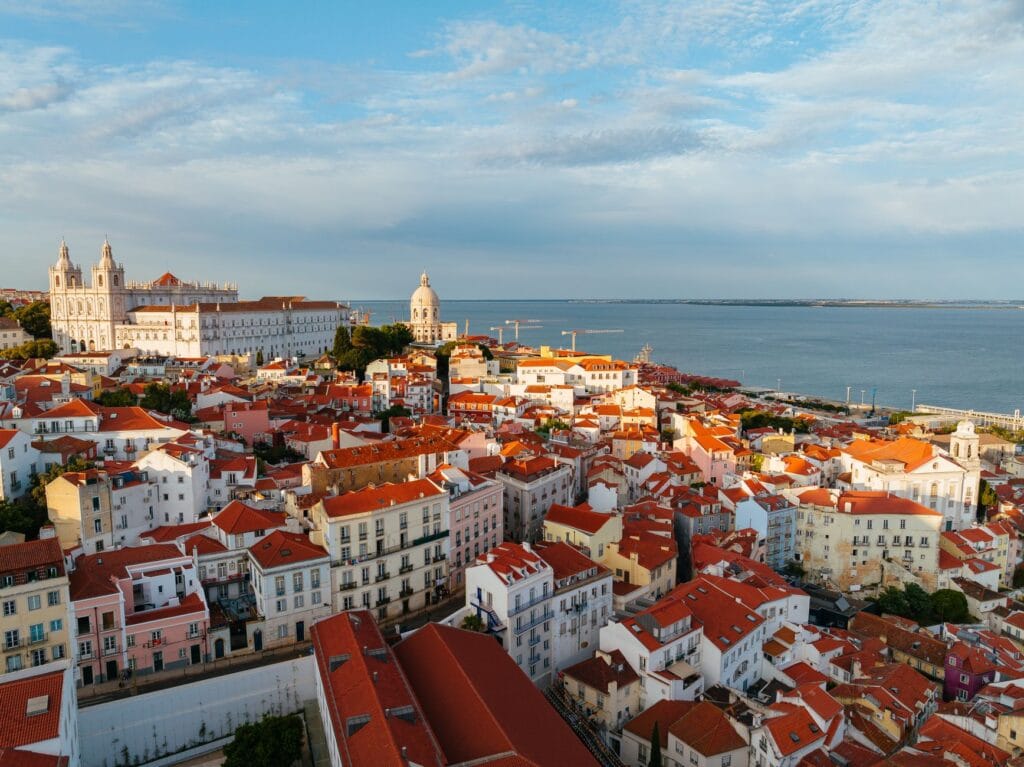
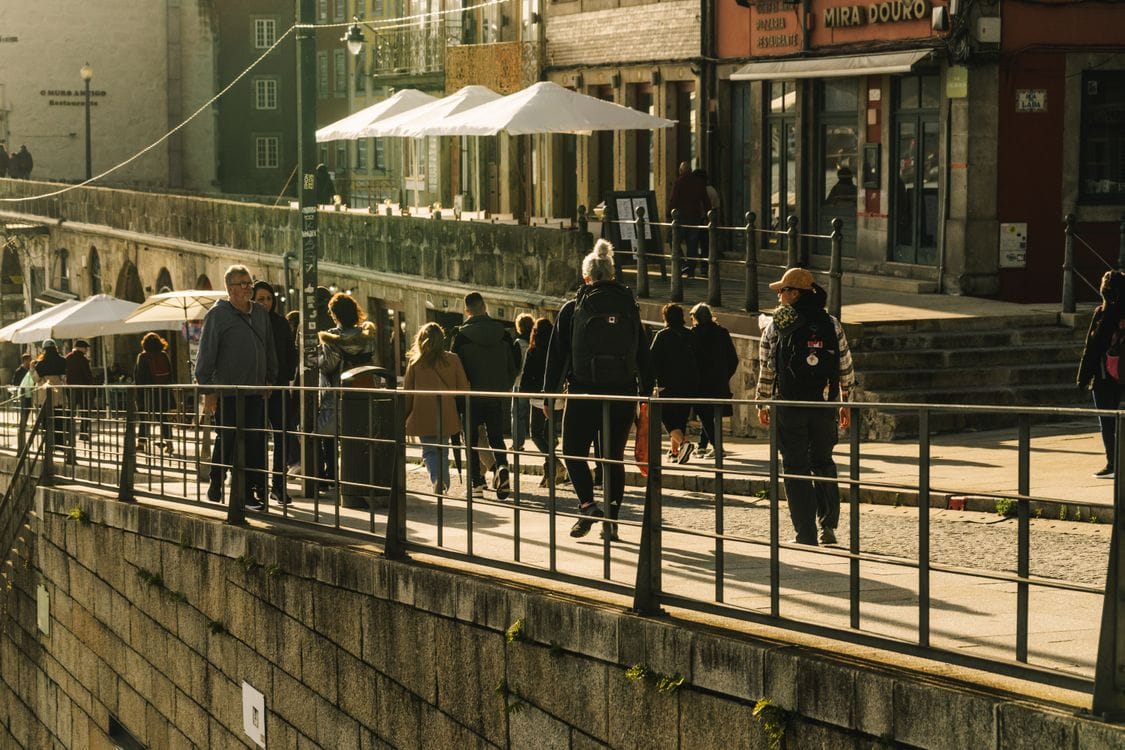
- Walk Lisbon’s Alfama district at dusk. Fado music drifts from open-door restaurants and the hilltop viewpoints clear of their daytime crowds after about 6pm.
- Book timed entry to Pena Palace in Sintra. The exterior, painted in vivid yellows and reds, is more striking in person than most photographs suggest.
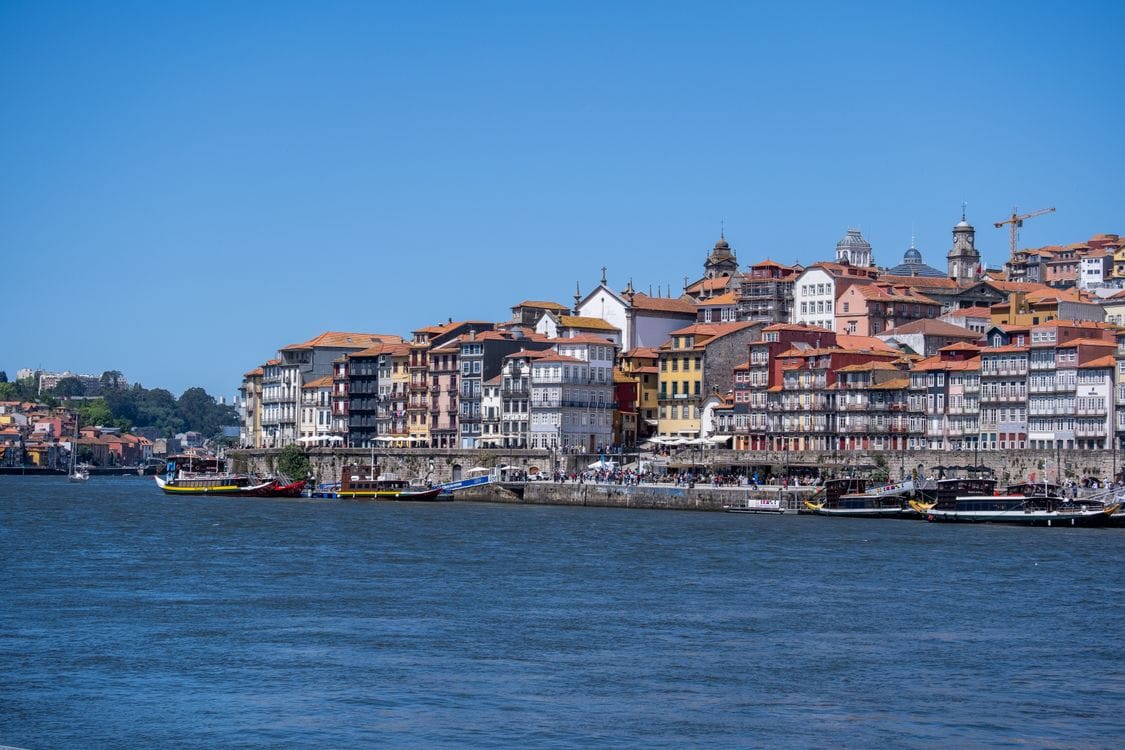
- Cross from Porto into Vila Nova de Gaia over the Dom Luís I Bridge on foot and visit the port wine lodges on the south bank. Most offer a free tasting with entry.
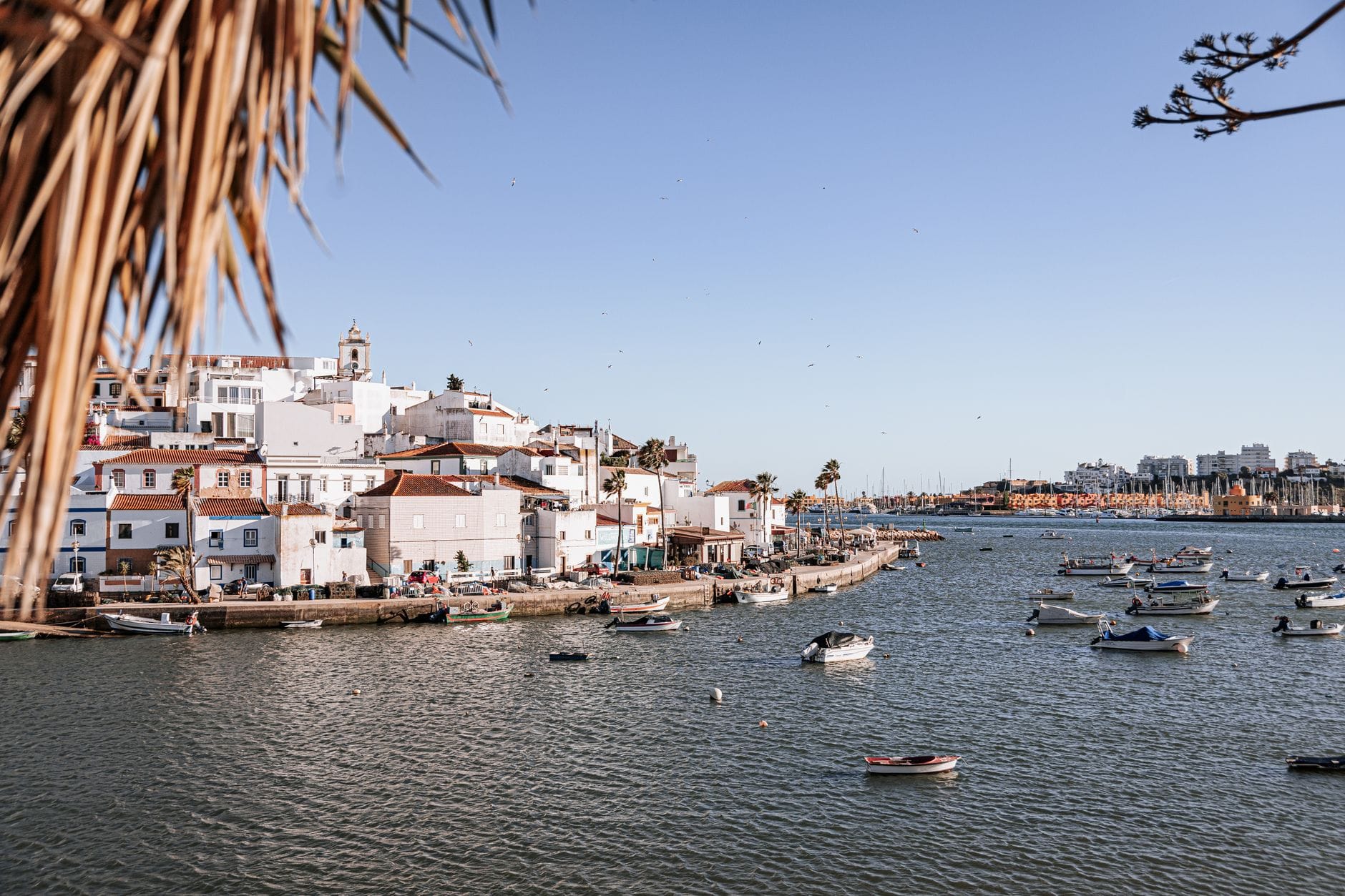
- Take a boat into the Ria Formosa lagoon from Faro or Olhão. The network of islands and salt marsh supports flamingos and dozens of other migratory species.
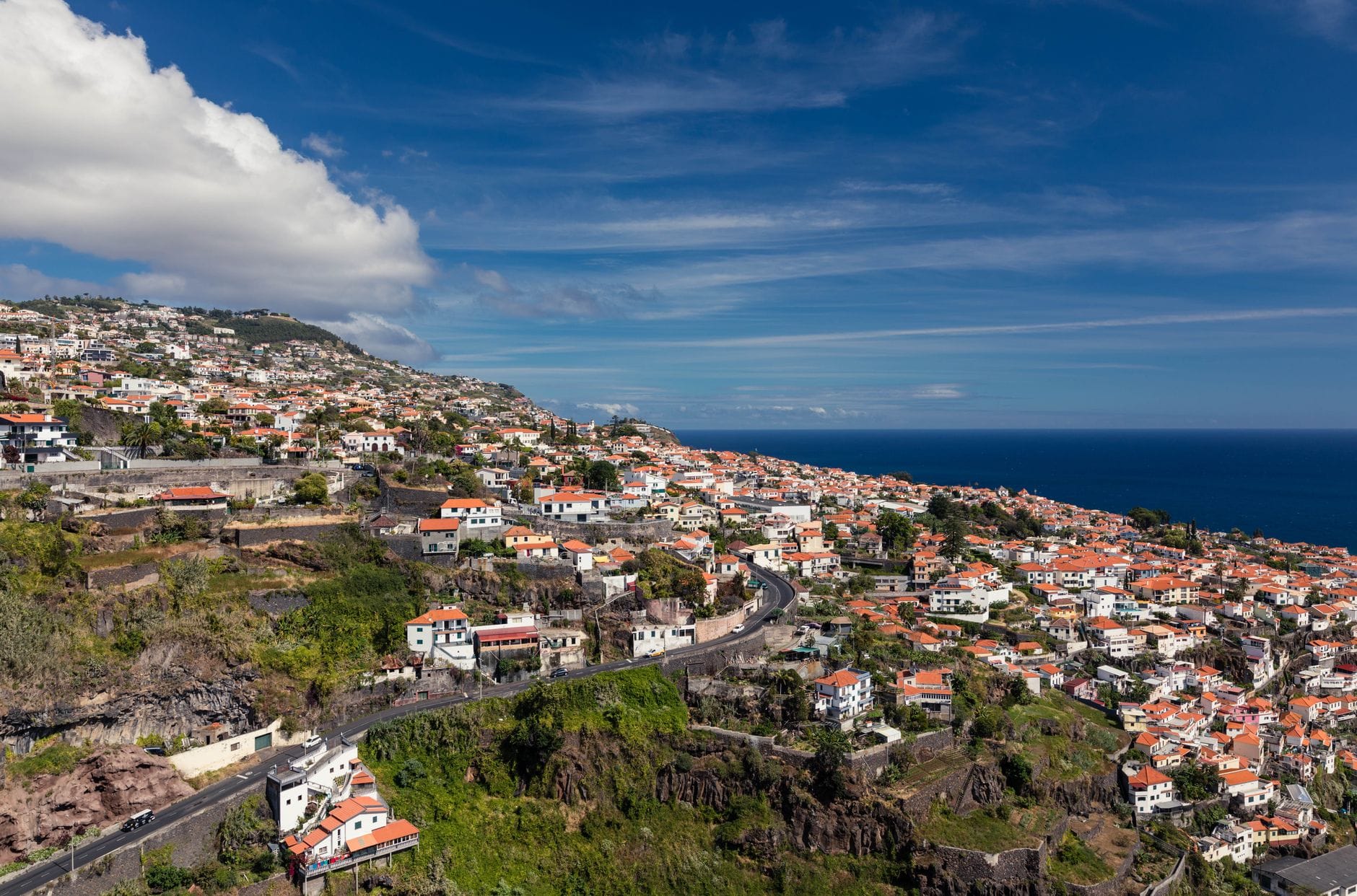
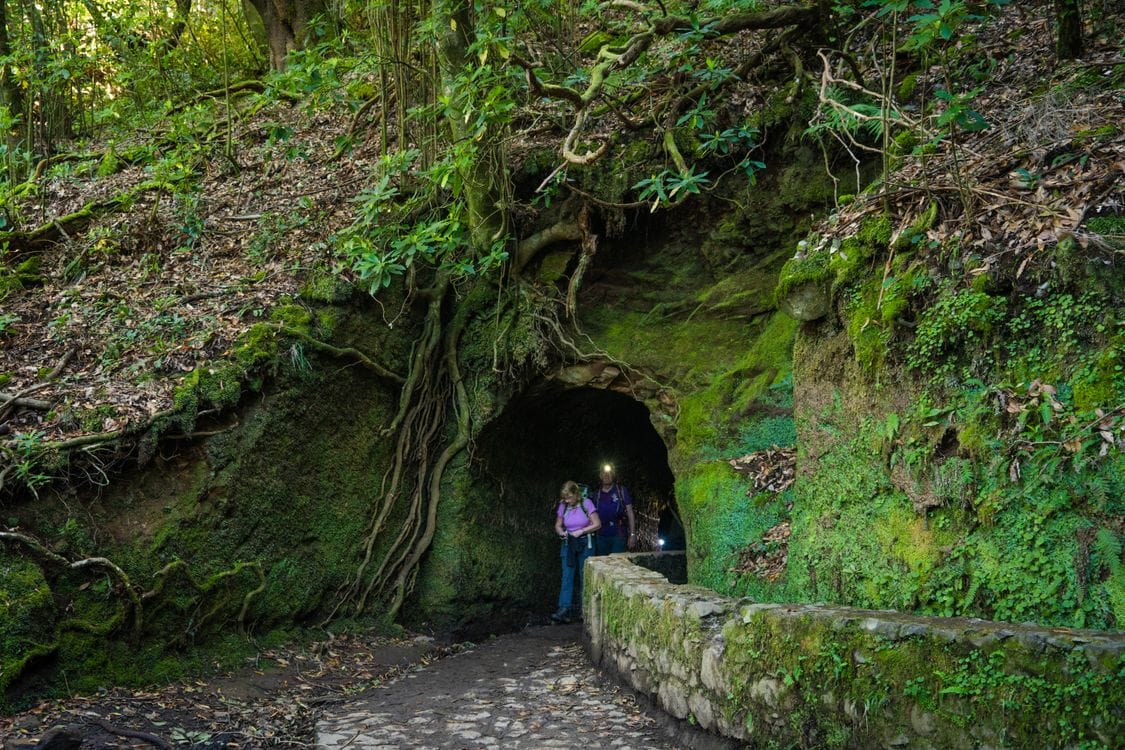
- Walk a levada trail in Madeira. The irrigation-channel paths provide flat, shaded routes through dramatically steep terrain. The PR1 to Caldeiro Verde is a favourite.
- Eat pastéis de nata at Pastéis de Belém in Lisbon, using the same recipe since 1837. The queue moves fast. They arrive warm, with cinnamon and icing sugar.
- Drive the western Algarve to Cape St Vincent, the south-westernmost point in mainland Europe. The cliff scenery is exceptional and Sagres attracts serious surfers year-round.
- Take a day trip to Évora in the Alentejo. Roman temples, a World Heritage old town, and prices noticeably lower than Lisbon. Around 1 hour 30 minutes by express bus from Lisbon’s Sete Rios terminal.
- Browse the Mercado de Bolhão in Porto, reopened after a meticulous restoration. Fresh fish, local cheese, Portuguese wine, and the best coffee in the city.
For the full official listings beyond this list, Portugal’s national tourism board maintains a full regional directory.
When is the best time to visit Portugal?
The answer depends on which part of the country you’re heading to. Our detailed guide to the best time to visit Portugal covers it fully, but here is the short version.
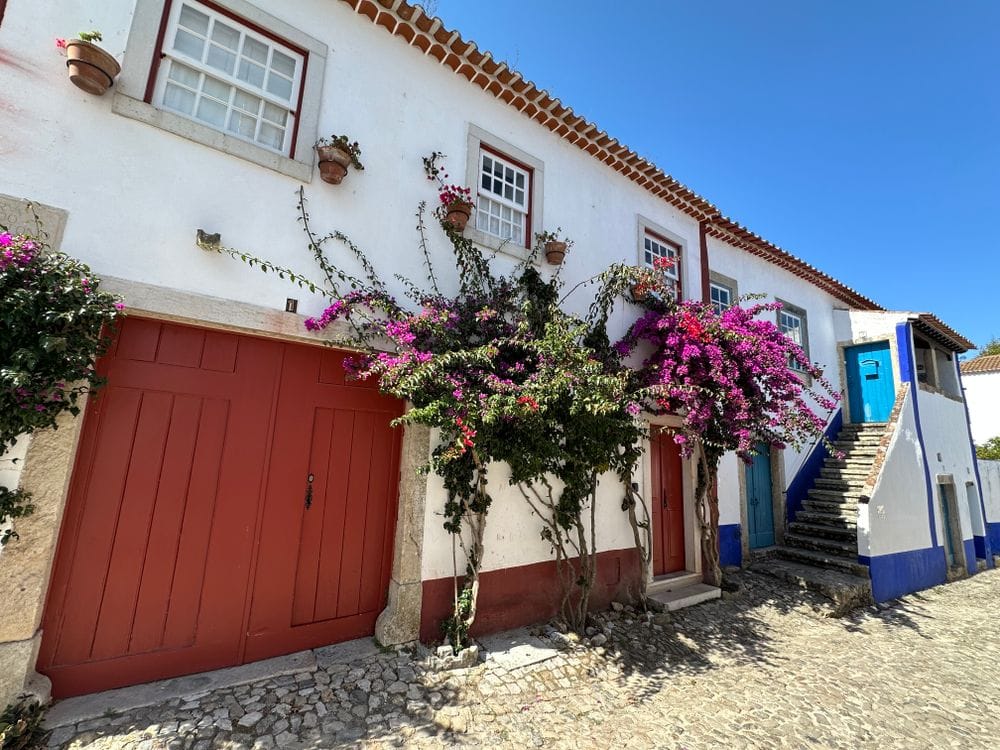
Spring (April–early June) is the best overall window. The Algarve is warm enough for the beach from mid-April, prices have not hit their summer peak, and Lisbon and Porto are at their most pleasant. A May Algarve package costs £200–300 per person less than the same in August.
Autumn (September–October) is the other strong value period. Sea temperatures stay above 20°C through October and accommodation prices drop sharply after the school return. Late September delivers summer conditions at October prices.
Summer (July–August) is peak season with the highest prices and hottest temperatures. Book well in advance. Winter suits city breaks: Lisbon and Porto stay mild, and low-season pricing makes quality hotels more accessible.
Airlines flying to Portugal from the UK
Ryanair and easyJet between them operate from more than 30 UK airports to Faro, Lisbon, Porto, and Funchal. Ryanair tends to have the cheapest headline fares. easyJet’s included cabin bag allowance could make it better value for short breaks without checked luggage. TAP Air Portugal flies from Heathrow and Gatwick with competitive advance fares and a more generous baggage allowance. Jet2 operates to Faro, Funchal, and Lisbon from Manchester, Leeds Bradford, Newcastle, Birmingham, and Edinburgh, and offers ATOL-protected packages. If you’re booking a package holiday to Portugal, look for both ATOL and ABTA protection, which covers you if the operator or airline collapses before or during your trip. Fares across all carriers are cheapest from January through early March and again in October, outside school half-term.
What does a Portugal holiday cost?
Portugal is among the cheapest destinations in Western Europe for on-the-ground costs. Here is a rough daily guide, excluding flights, for three budget levels.
| Budget type | Daily spend | 7 nights (excl. flights) | What this gets you |
|---|---|---|---|
| Budget | €60–80 | ~£500–650 pp | Hostel or basic hotel, local restaurants, free sights, public transport |
| Mid-range | €120–170 | ~£1,000–1,400 pp | 3-star hotel, sit-down dinners, a day trip or two, beach club entry |
| Comfortable | €200–280 | ~£1,700–2,400 pp | 4-star hotel, hire car, guided experiences, fine dining |
August adds around 30–50% to accommodation costs across all categories. Food, transport, and activities remain low year-round. See Getting around Portugal below for the rail network, buses between cities, and how to cut costs on the ground.
The Algarve: Portugal’s most popular region
The Algarve accounts for the majority of UK package bookings to Portugal. Understanding the different zones, the lively central resorts, the golf and marina complex at Vilamoura, the wilder western coast around Lagos and Sagres, makes it significantly easier to choose the right part of the coast.
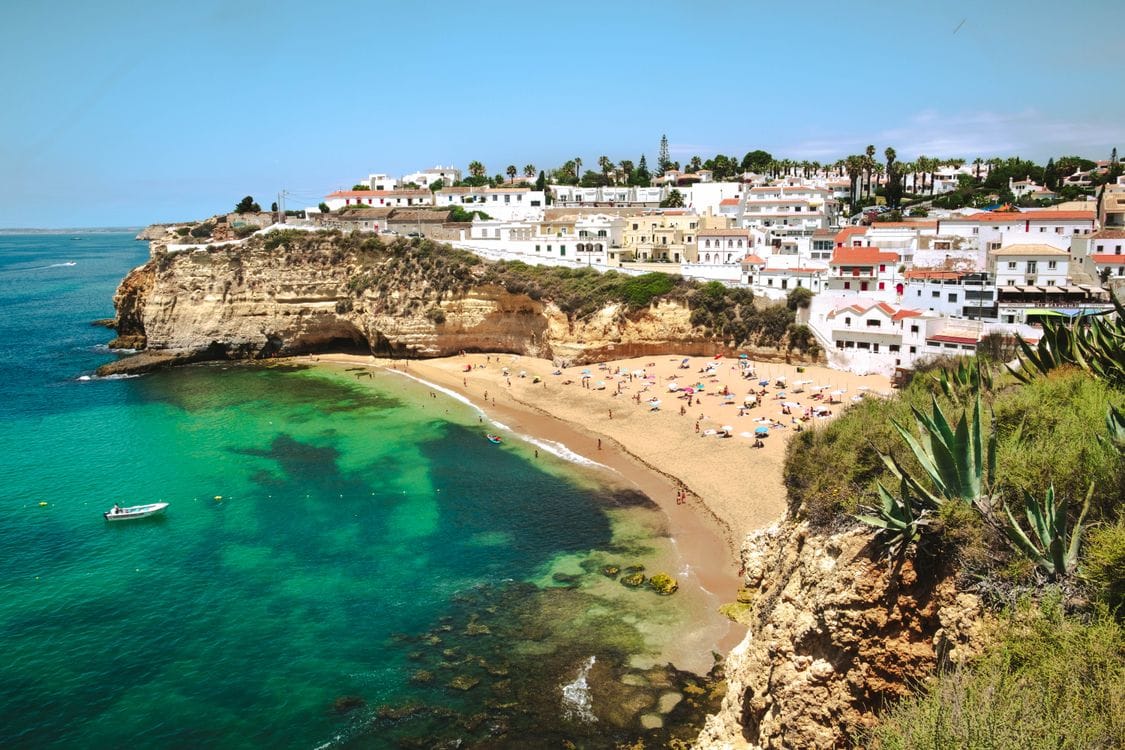
The Algarve is Portugal’s most-visited region and the dominant destination for UK package bookings. Understanding the different zones helps narrow down the right base.
Albufeira is the liveliest resort, with the best choice of nightlife and a large hotel stock from budget to four-star. Vilamoura is quieter, marina-focused, and golfer-friendly. Portimão and Praia da Rocha offer some of the best-value fish restaurants on the coast.
Lagos combines a lively bar scene with some of the most attractive beaches in Portugal, Praia do Camilo and Praia Dona Ana among them. Sagres, at the western tip, is wild, low-key, and a serious surf destination.
The Algarve for couples
The Algarve has built a strong reputation as a couples destination. The western coast around Lagos and Sagres is where most visitors who want something beyond the resort zone head first. The cliff scenery around Praia do Camilo and Ponta da Piedade is among the most romantic in Portugal, and the town of Lagos has enough good restaurants and bars to fill several evenings.
Vilamoura works well for couples who want calm and quality. The marina, a casino, and several good restaurants make for easy evening entertainment. The golf is some of the best in Europe if that matters. Hotel quality at the upper end is consistently high.
For something further from the resort infrastructure, Tavira in the eastern Algarve is quieter, more authentic, and noticeably cheaper. The town sits on the Rio Gilão with a Roman bridge and a well-preserved old town, and the nearby island beach of Ilha de Tavira is one of the best in the country.
“Flights to Portugal are cheapest in January and early March, but that’s exactly when the Algarve is too cold to be worth it. Time a trip for late September instead: the flights are still reasonable, the sea is still warm, and Lisbon, Porto and the Algarve are all better without the August crowds.”
Kate Acaster, Chief Editor, Flight Tribe
Getting around Portugal
Portugal’s public transport is affordable and reliable, so a hire car isn’t essential outside the more rural stretches of the Algarve.
Buses are the cheapest way to cover long distances. Rede Expressos runs the main intercity network, with fares from Lisbon to Porto starting around €5 booked in advance and Lisbon to Faro from about €10–15. FlixBus covers similar routes into Spain and beyond, with early-booking fares as low as €2 on short hops.
Trains suit longer or more comfortable journeys. Comboios de Portugal (CP) runs three tiers: regional trains for short hops (Lisbon to Sintra costs about €2.30), Intercidades services linking the main cities for roughly €20–30, and the high-speed Alfa Pendular, which covers Lisbon to Porto in 2.5 hours for around €45. Booking at least eight days ahead cuts CP fares by up to 65%, and under-25s get a further 25% off with a Cartão Jovem.
Lisbon and Porto both have metro systems, the quickest way to get around each city and a direct link to both airports.
Frequently asked questions
What is the cheapest time to visit Portugal from the UK?
May and October offer the best combination of warm weather and low prices. Flights and hotels are significantly cheaper than July and August. Late September delivers summer heat at near-October prices in most years.
Do I need a visa to visit Portugal from the UK?
No. UK citizens can enter Portugal without a visa for stays of up to 90 days in any 180-day period. You need a valid passport for the duration of the stay. Check that at least six months of validity remain before you travel, and see the GOV.UK travel advice for Portugal for the latest entry requirements before you book.
Which is better value, Lisbon or the Algarve?
They suit different trips. The Algarve works best as a beach holiday on package in shoulder season. Lisbon is a city break where the main sights are largely free and eating well costs far less than in most comparable European capitals. For first-time visitors to Portugal, the Algarve is usually the easier starting point.
How much does a week in Portugal cost?
A package week in the Algarve in shoulder season typically runs around £700–900 per person all-in, covering flights, accommodation, food, and local transport. A four-night city break to Lisbon or Porto costs around £400–600 per person. August adds roughly 30–50% to both figures.
Is the Algarve worth visiting in October?
Yes. Sea temperatures stay above 20°C through most of the month, daytime highs run at 22–25°C, and accommodation prices drop sharply compared to August. The main resorts remain open and operational; it is simply quieter, which for most visitors is an improvement.
Is Portugal family-friendly?
Portugal is one of the best family destinations in Europe. The Algarve has calm, sheltered beaches, a well-developed resort infrastructure with water parks and children’s clubs, and manageable travel distances. Lisbon and Porto keep older children interested without overwhelming them.
Can I travel between Lisbon and Porto by train?
Yes. The Alfa Pendular service connects Lisbon Oriente with Porto Campanhã in around three hours. Advance tickets start from about €25 each way. It is a comfortable, scenic route and considerably less stressful than driving.
For the latest Portugal holiday deals and cheap flights from the UK, check the Flight Tribe deals page. All offers are personally verified on the day of publication.

Kate Acaster is Chief Editor at Flight Tribe. She writes about practical travel planning, budget airlines, baggage rules, city breaks, beach holidays and good hotels that do not cost daft money.
Kate has travelled through Europe, South America and beyond, usually with a notebook, a half-formed plan and a strong opinion on airport snacks. At Flight Tribe, her work focuses on helping UK travellers understand what is included, what costs extra, and whether a trip is worth booking at the price shown.
How Kate works
Kate checks the details that can change the value of a trip, including cabin-bag rules, airline fees, hotel location, seasonality, travel dates and booking conditions. She is especially interested in offers that look useful on the surface but need a proper reader-first check before they are worth recommending.
Editorial standards
Flight Tribe covers deals and travel advice for readers first. Affiliate links do not decide whether an offer is worth writing about.