Published 7 June 2026 | Updated 15 October 2026 by Kate Acaster
Santorini has a reputation for emptying wallets. People picture £1,000-a-night cave suites, €25 cocktails and a sunset you have to pay through the nose to see. Some of that is real. Most of it is optional.
Advertisement
The island’s best experiences cost little or nothing. The Oia sunset is free. The cliff-top walk between the towns is free. The volcanic beaches are free, and the ancient sites that make Santorini more than a pretty postcard cost €10 to €20 each to enter. The expensive part is the caldera-view hotel and the caldera-view dinner, and you can choose how much of that you want. This Santorini budget travel guide shows where the island is worth the money, and where a little planning gets you the same Santorini for far less. If you are weighing it against other islands, our Greece budget travel guide covers costs and choices across the whole country.
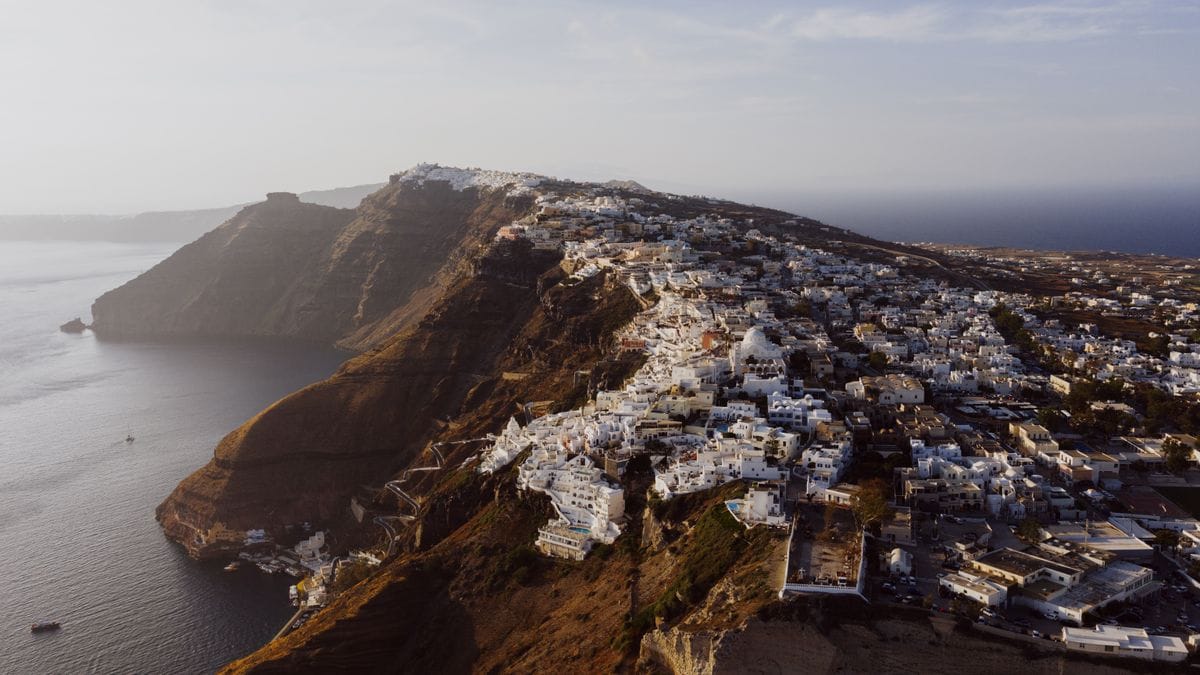
Santorini is small. The whole island is about 18 kilometres top to bottom, so nothing is more than an hour away by bus. The currency is the euro and English is widely spoken in the tourist towns. Two things catch British visitors out: the island drives on the right, and the plugs are the European two-pin type, so pack an adapter. Greece is also two hours ahead of the UK.
How to get to Santorini from the UK
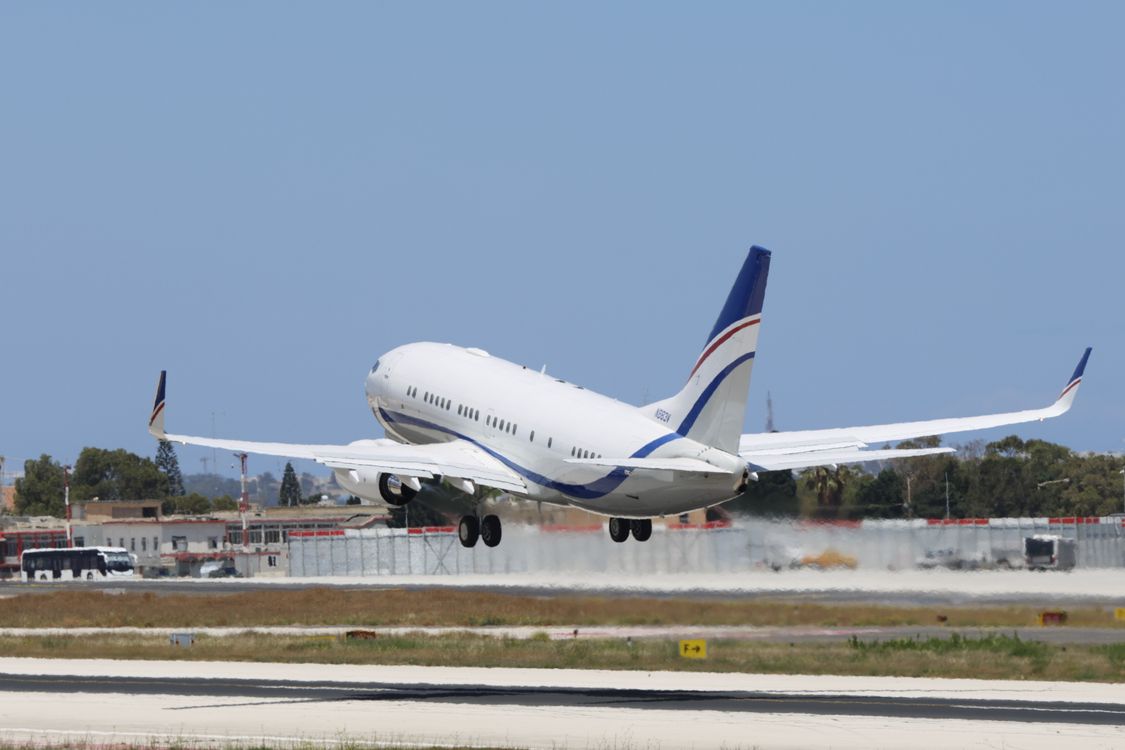
Direct flights to Santorini are seasonal. From roughly April to October you can fly straight there in about four hours, with easyJet, Jet2, TUI and British Airways serving a handful of UK airports. Outside those months the direct routes stop, and you reach the island through Athens.
| Airline | Flies direct from | When | Typical return |
|---|---|---|---|
| easyJet | Gatwick, Bristol, Manchester | Apr–Oct | £70 to £180 |
| Jet2 | Manchester, Birmingham, Edinburgh | May to Oct | £120 to £260 |
| TUI | Manchester and others seasonally | Apr–Oct | £130 to £280 |
| British Airways | Heathrow, daily in season | Late Mar to Oct | £120 to £300 |
| Off-season | Via Athens, then ferry or domestic flight | Nov–Mar | Varies |
The ferry is the other route, and it is a genuine option rather than a last resort. From the port of Piraeus in Athens, one-way fares usually run about £40 to £100 (€46.50 to €118). High-speed ferries make the crossing in about five hours; the larger, steadier Blue Star boats take closer to eight and run all year. If the direct flights have sold out or the dates do not work, an Athens city break plus a ferry is often cheaper than a peak-season package, and you see more of Greece for it.
When to go, and when it’s cheapest
The sweet spot for Santorini is the shoulder season: late April to May, and September to October. The weather holds, the sea is warm by September, the crowds thin out and prices drop from their summer peak. High summer is the hottest, busiest and most expensive time to come, and winter is the cheapest but quietest, with many caldera businesses shut.
| Season | Weather | Crowds | Cost |
|---|---|---|---|
| Spring (Apr to May) | 18 to 24°C, sea still cool | Building, never heaving | Best valueGo now |
| Summer (Jun to Aug) | 26 to 30°C and up, hot | Heaviest, book ahead | HighestPeak |
| Autumn (Sep to Oct) | 20 to 26°C, warm sea | Thinning through October | Great valueSweet spot |
| Winter (Nov to Mar) | 12 to 16°C, some rain | Very quiet, many closures | Cheapest stays |
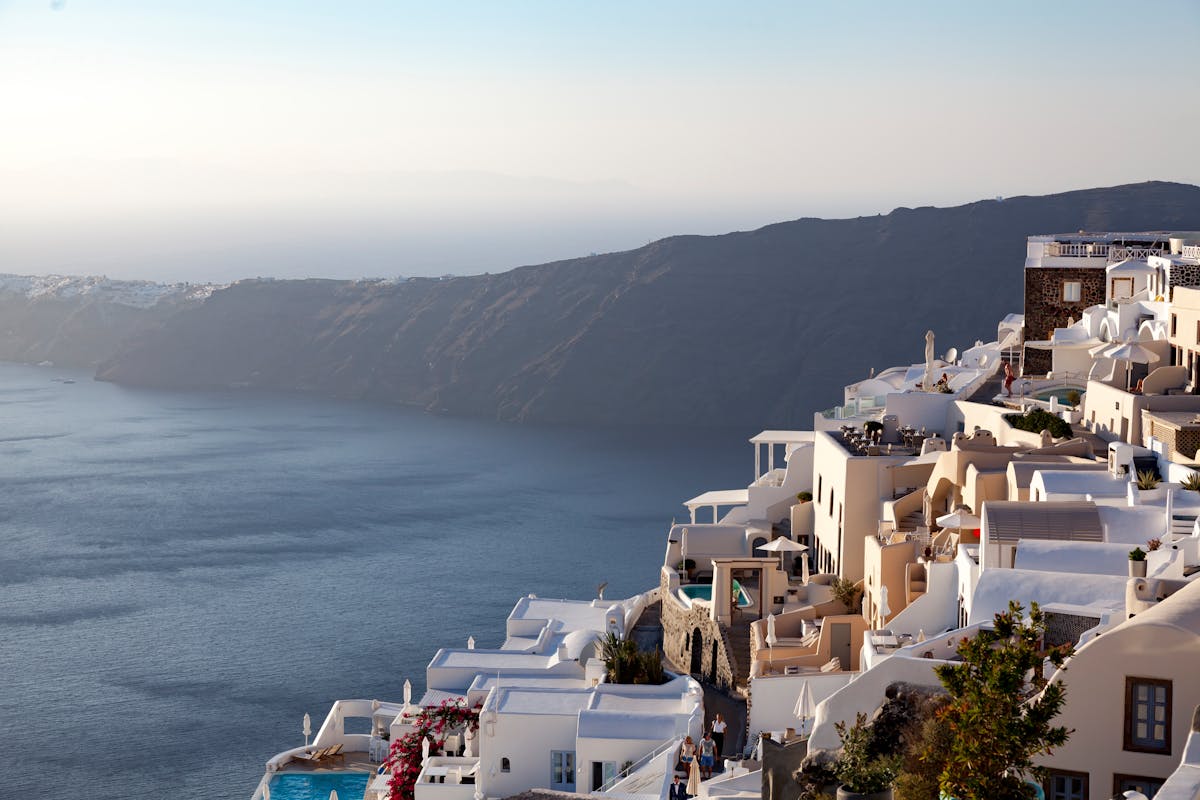
Shoulder season makes a big difference. The same room costs far less in May than in August, the queues at Oia and Akrotiri shrink, and the heat is comfortable rather than punishing. If your dates are flexible and you are not tied to the school holidays, late September is the single best week to come.
Getting around Santorini
You do not need a car in Santorini. The KTEL public bus network links every main town through the central station in Fira, and fares are a couple of euros. A car or quad bike buys you freedom for the beaches and inland villages, but the buses cover most of what visitors actually want to see.
| Option | Cost | Good for |
|---|---|---|
| KTEL bus | €2.20 to €2.80 each way | Getting between towns cheaply; all routes run through Fira |
| Cable car | €10 each way | The climb from the Old Port up to Fira, mostly for cruise arrivals |
| Car hire | €40 to €80 a day in peak | Beaches, wineries and inland villages on your own schedule |
| Taxi | Agree the fare first | Late nights and airport runs with luggage; the island has few cabs |
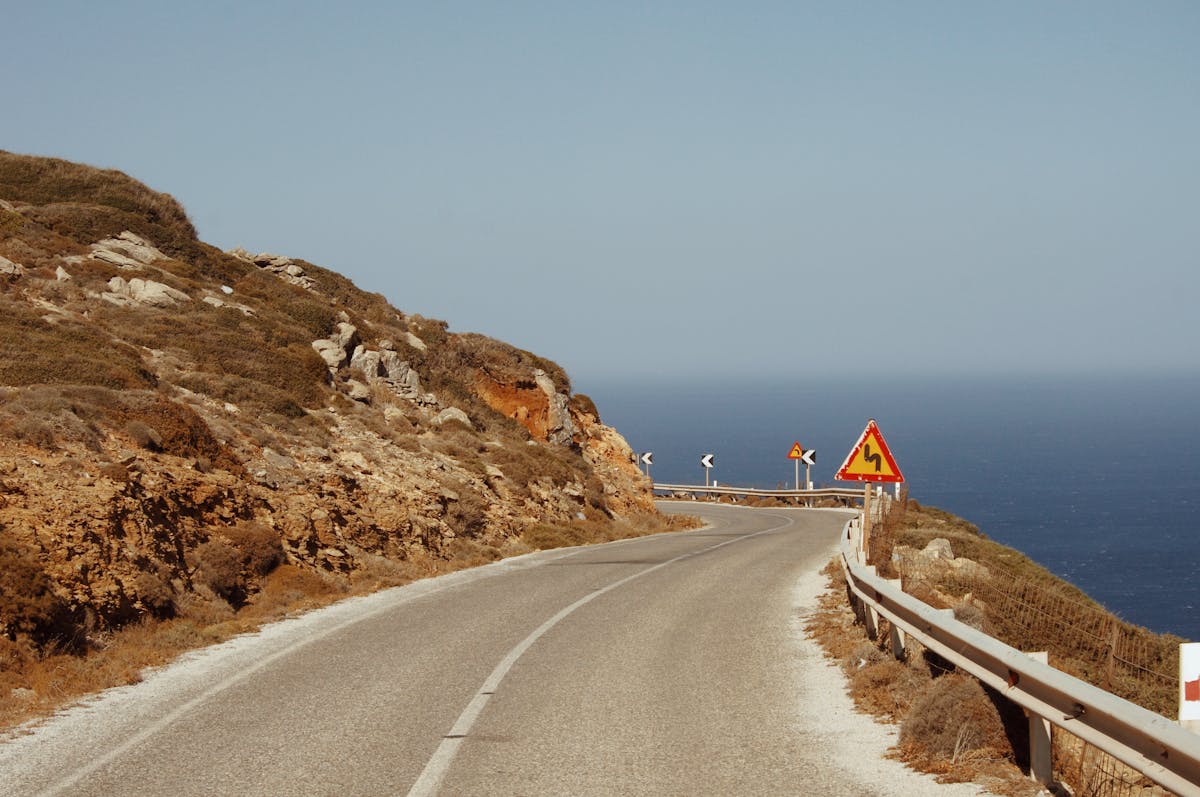
The cable car deserves a word of warning. When a cruise ship is in, the queue at the Old Port can stretch past 45 minutes for a three-minute ride. The walk up the old donkey steps is an option, but it is steep and not pleasant in the heat. If you are staying on the island rather than arriving by sea, you will rarely need the cable car at all.
The best things to do in Santorini
Santorini’s headline experiences cost little or nothing. The sunset, the caldera walk and the volcanic beaches are free, and the island’s ancient sites cost €10 to €20 each to enter. You could fill three or four days here without spending much beyond food and the odd entry fee.
| What | The lowdown | Cost |
|---|---|---|
| Oia sunset | The famous one, best from the Byzantine Castle ruins | Free |
| Fira to Oia walk | A 10.5km clifftop path through Firostefani and Imerovigli | Free |
| Akrotiri | A Bronze Age town buried by eruption, the Aegean’s Pompeii | €20 |
| Ancient Thera | Hilltop ruins on the ridge above Kamari and Perissa | €10 |
| Red Beach | A cove framed by red volcanic cliffs near Akrotiri | Free |
| Wine tasting | Crisp assyrtiko at a caldera-view winery such as Santo Wines | From a few euros |
Oia and the caldera
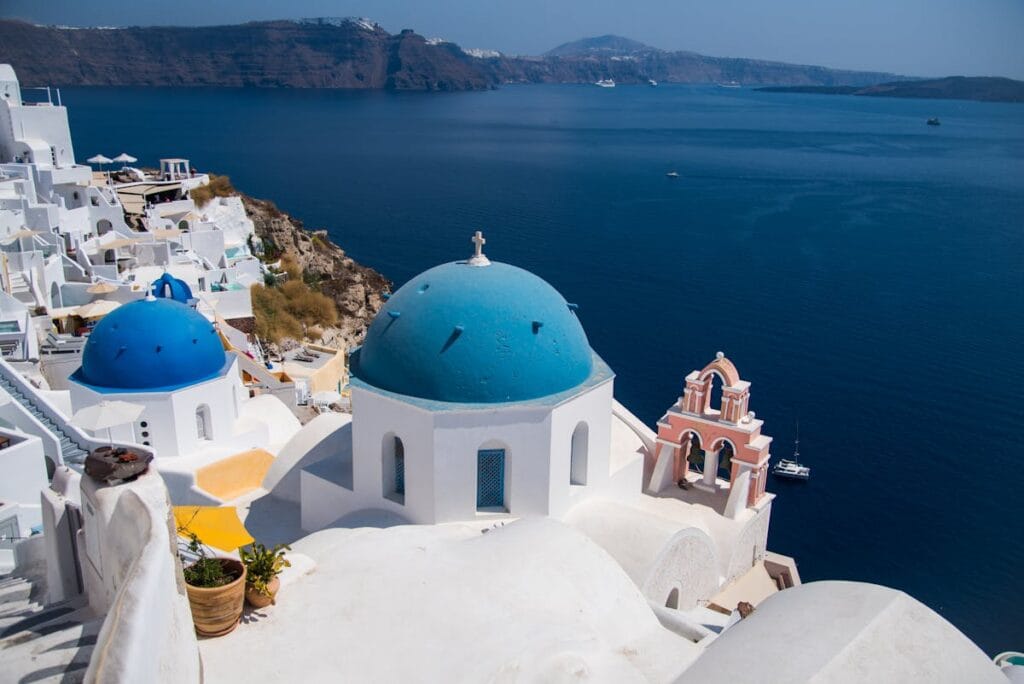
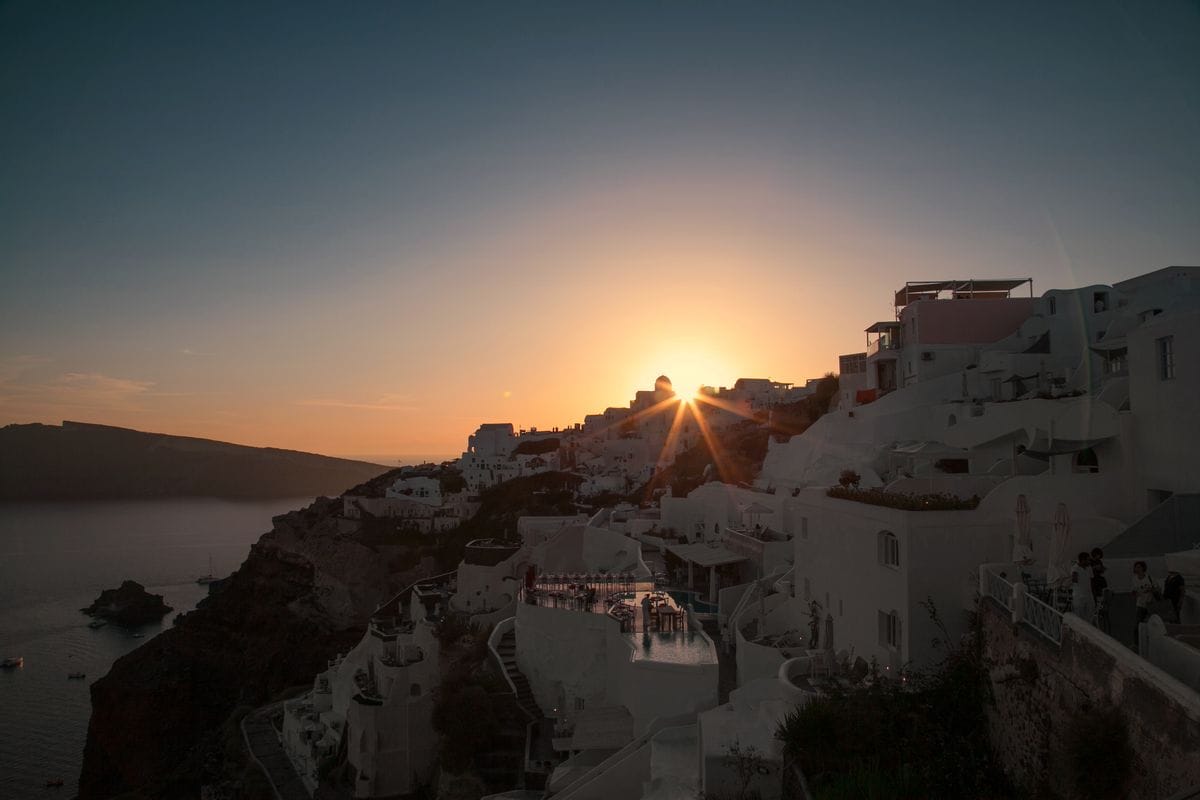
Oia is the village on every postcard, all whitewashed walls and blue domes stacked above the sea. The sunset draws a crowd, so arrive a couple of hours early for a spot at the castle ruins, or watch it for free from anywhere along the cliff with a drink in hand. The walk from Fira to Oia is the best few hours you can spend here, and it costs nothing but effort.
Ancient history
Akrotiri is what makes Santorini more than scenery. A Bronze Age town frozen in volcanic ash, it predates the eruption that gave the island its shape, and the covered site is fascinating in any weather. Pair it with Ancient Thera on the eastern ridge and the museum in Fira, both €10.
Beaches and wine
The beaches are volcanic, which means black and red sand rather than golden. Perissa and Kamari on the east coast are the longest and best set up, with cheap sunbeds and tavernas. Santorini’s wine is a real surprise too, grown low to the ground in baskets against the wind, and a tasting with a caldera view costs a fraction of dinner.
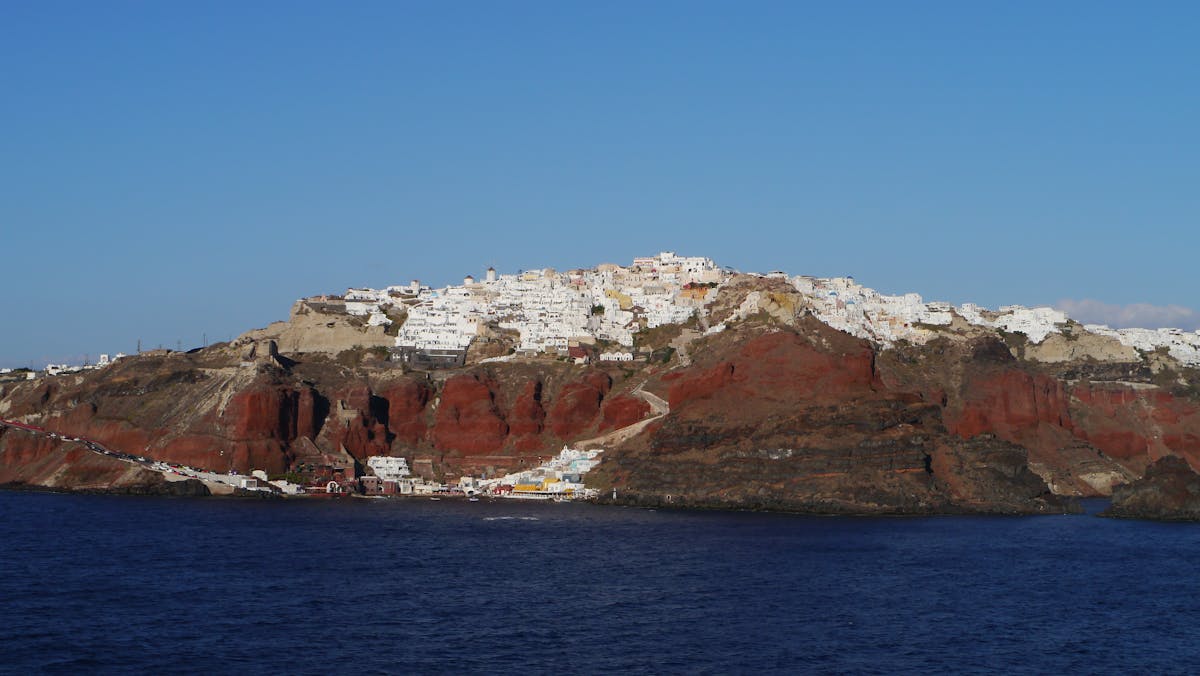
Down the steps from Oia, Ammoudi Bay is where the value is. The fish tavernas here are run by families, the catch arrives daily, and you eat with your feet almost in the water for a good deal less than the cliff-top restaurants charge for the same view. It is worth the walk down, and the climb back up.
Where to eat
Eating well in Santorini is cheaper than its reputation suggests, as long as you step back from the caldera edge. The view costs money; the food does not have to. Inland villages and the Ammoudi waterfront serve the best meals for the price.
Budget, under £10 a head. Lucky’s Souvlaki in Fira is the island’s best-known cheap eat, with gyros and wraps for around €5 to €8 and a queue of locals to prove it. It is a walk-up rather than a sit-down, perfect for a quick lunch between sights with no booking and no fuss.
Mid, £18 to £28 a head. Metaxi Mas in the inland village of Exo Gonia is the locals’ favourite, serving Cretan and Santorinian cooking away from the view tax. It is small and popular, so book ahead, and bring cash.
Worth the spend, £40 to £60 a head. Dimitris Ammoudi Taverna at the bottom of Oia serves fresh fish at the water’s edge for far less than the famous cliff-top names. Reserve for dinner and ask what came in that day.
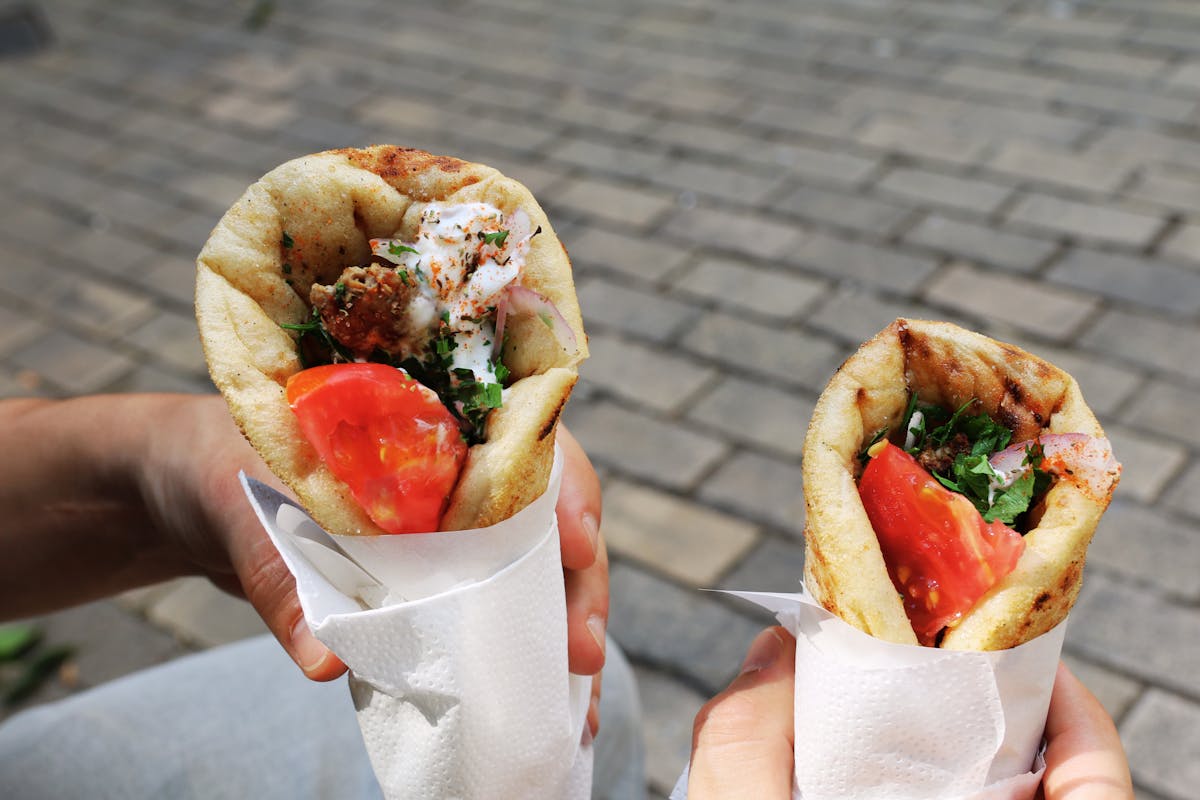
The simplest food here is often the best value. A gyros pita, a Greek salad heavy with feta, a plate of grilled vegetables and a carafe of house wine will feed two people well for the price of one caldera-view starter. Supermarket breakfasts and a beach picnic lunch keep daily costs down without feeling like a sacrifice.
Where to stay
Where you sleep decides what Santorini costs more than anything else. A caldera-view cave suite in Oia is one of the most expensive rooms in Greece. The same money spread differently buys a week on the island, so be honest about how many sunsets you need from your own balcony.
Budget, from around £60 to £90 a night. Kamari Beach Hotel sits on the black-sand beach at Kamari, with a pool and an easy bus into Fira. You skip the caldera markup entirely and still get the sea.
Mid, from around £140 to £200 a night. Porto Fira Suites gives you the caldera view, an infinity pool and breakfast on the balcony in Fira, for well under what Oia charges for the same outlook.
Worth the spend, well above mid-range rates. Esperas Santorini is a caldera-edge cave-suite hotel in Oia with the famous sunset from your terrace, at a fraction of the £1,000-a-night flagship cave hotels.
If value is the priority, base yourself on the eastern coast at Kamari or Perissa, or in an inland village like Pyrgos or Megalochori, and ride the bus to the views. You get more room for your money and a quieter evening, and Fira or Oia is never more than a short hop away.
How much does a Santorini holiday cost?
Santorini rewards planning more than most Greek islands, because the gap between a budget trip and a blow-out is so wide. On the ground, daily spending is yours to control. The big variable is the hotel, and the second is how often you eat with a caldera view. Of the seven islands in our cheapest Greek islands ranking, Santorini is the priciest for a three-star week.
| Traveller | Per day on the ground | What that covers |
|---|---|---|
| Budget | €65 to €85 | An eastern-coast room, buses, taverna meals and a self-catered breakfast |
| Mid-range | €150 to €250 | A central Fira hotel, a mix of restaurants and a tour or two |
| Caldera splurge | €350 and up | An Oia cave suite, sunset dining and private transfers |
The verdict: a careful traveller can have a good week in Santorini for far less than the island’s reputation suggests, with the sunset and the walk free and the three ancient sites about €40 between them. The luxury is real and worth it if that is what you came for, but it is a choice you switch on, not a price of entry.
Know before you go
The currency is the euro. Plugs are the European two-pin type, so pack an adapter, unlike Malta or Cyprus where UK plugs fit. The island drives on the right, and Greece runs two hours ahead of the UK. English is widely spoken in the tourist towns, and tap water is best avoided for drinking, so most visitors buy bottled.
| Essential | What to know |
|---|---|
| Currency | Euro |
| Plugs | European two-pin |
| Driving | On the right |
| Time | Two hours ahead of the UK |
| Language | Greek; English widely spoken in tourist towns |
| Entry | 90 days visa-free |
For entry, UK passport holders can visit for up to 90 days in any 180 without a visa. Your passport must have been issued less than ten years before you arrive and be valid for at least three months after you leave. The EU’s Entry/Exit System is now running, though Greece has said it will not take fingerprints or photos from UK travellers. ETIAS, a €20 online permit, is not running yet, and the EU will announce its start date several months ahead. Check GOV.UK travel advice for Greece before you book.
For more on timing a Greek trip, see our guide to the best time to visit Greece, and for another value-led island, our Malta budget travel guide. You will find every destination write-up in our destination guides, the summer islands worth booking in our where’s hot in July roundup, and the timing tricks in when to book a holiday and how to get cheap flights.
Frequently asked questions
Is Santorini expensive to visit?
It can be, but it does not have to be. The famous sights are cheap or free, and the real cost is in caldera-view hotels and restaurants, which are optional.
What is the cheapest way to do Santorini?
Stay on the eastern coast or in an inland village, use the KTEL buses and travel in the shoulder season. That alone can halve what the same trip costs in August from a caldera-view base.
How many days do you need in Santorini?
Three to four full days covers the sunset, the Fira to Oia walk, the ancient sites and a beach or two. Add a day if you want to slow down or take a boat trip into the caldera.
When is the cheapest time to fly to Santorini?
The shoulder months of late April to May and late September to October offer the best balance of price and weather. Winter is cheaper still, but most direct flights from the UK stop running.
Do you need a car in Santorini?
No. The KTEL buses reach every main town through Fira for a couple of euros, which covers most of what visitors want to see.
Is the Oia sunset worth it, and is it free?
Yes and yes. The view from the Byzantine Castle ruins costs nothing; you simply need to arrive a couple of hours early in summer to claim a spot.
Do I need a visa or ETIAS for Santorini?
No visa. UK visitors get 90 days in any 180 visa-free. ETIAS, a €20 online permit, is not running yet, and the EU will announce its start date several months ahead.

Kate Acaster is Chief Editor at Flight Tribe. She writes about practical travel planning, budget airlines, baggage rules, city breaks, beach holidays and good hotels that do not cost daft money.
Kate has travelled through Europe, South America and beyond, usually with a notebook, a half-formed plan and a strong opinion on airport snacks. At Flight Tribe, her work focuses on helping UK travellers understand what is included, what costs extra, and whether a trip is worth booking at the price shown.
How Kate works
Kate checks the details that can change the value of a trip, including cabin-bag rules, airline fees, hotel location, seasonality, travel dates and booking conditions. She is especially interested in offers that look useful on the surface but need a proper reader-first check before they are worth recommending.
Editorial standards
Flight Tribe covers deals and travel advice for readers first. Affiliate links do not decide whether an offer is worth writing about.