Last updated: July 2026
Staying in a cave hotel offers a unique lodging experience that blends ancient charm with modern comfort. This guide provides detailed information on ten exceptional cave hotels across Europe, ensuring a distinctive stay while keeping an eye on your budget.
1. The Cave Hotel – Matera, Italy
Advertisement
Search flights and hotels
Location: Matera, renowned for its ancient cave dwellings.
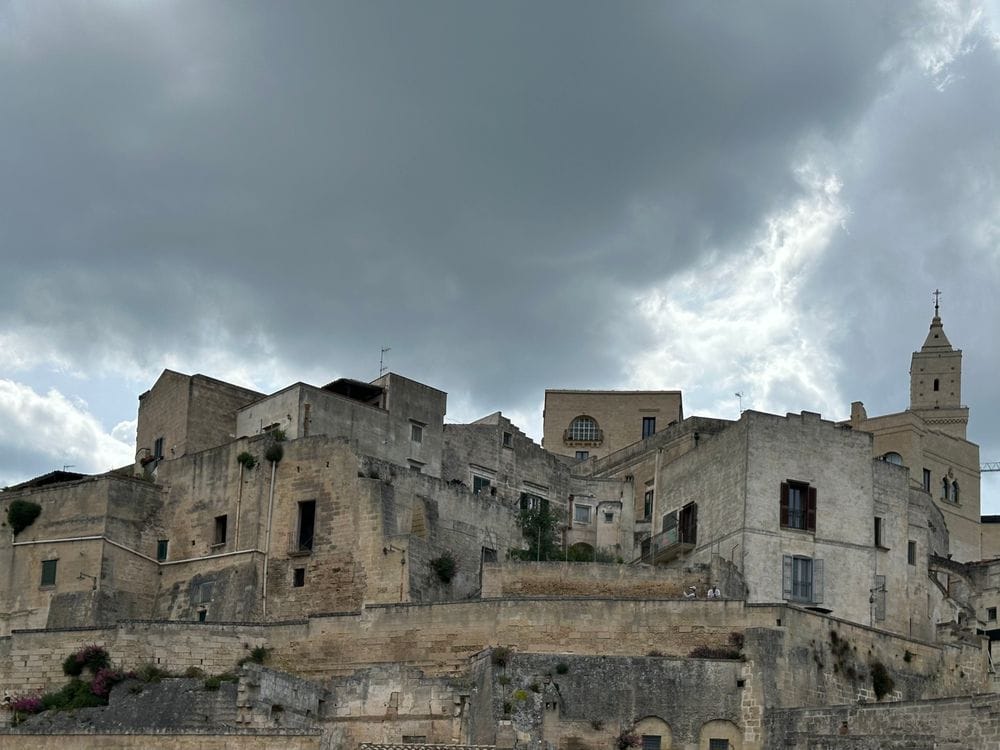
Overview: Situated in the Sassi district, The Cave Hotel combines historical architecture with modern amenities. Rooms are carved into the tufa rock, providing a blend of authenticity and comfort.
Pricing: Rates start at approximately £80 per night. Off-peak travel (January or February) can reduce costs by up to 30%.
Pros: Unique historical setting with modern comforts and an on-site restaurant.
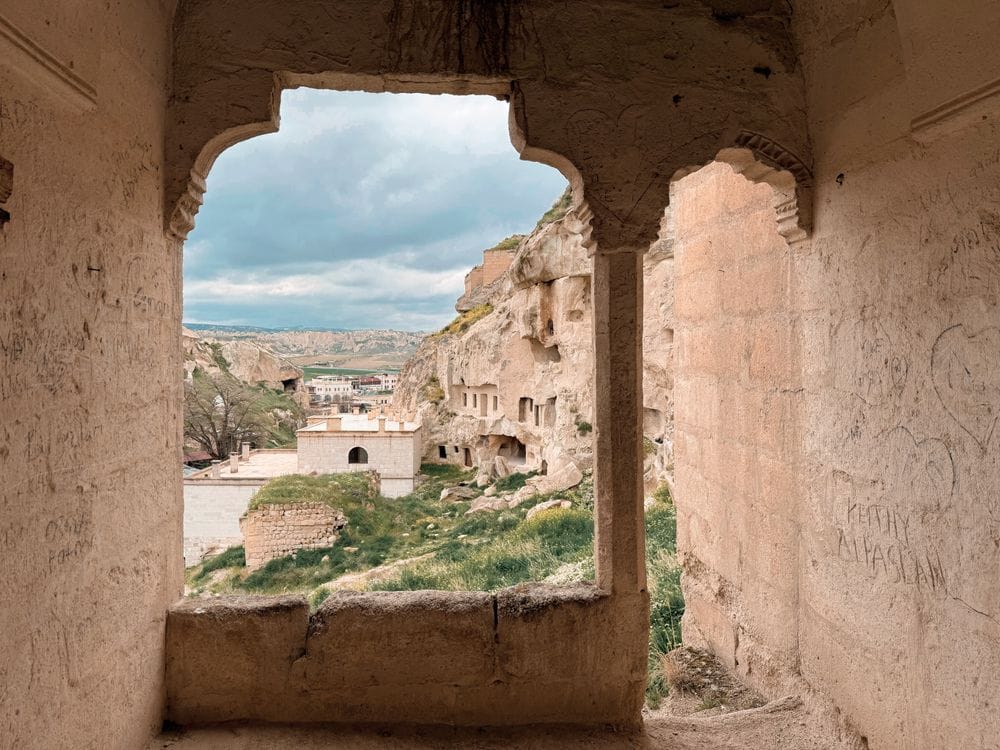
Cave hotels in Cappadocia, Turkey, offer the most dramatic version of the experience. Rooms are carved directly into volcanic tufa — the same soft stone that has been home to people in the region for thousands of years. Even budget cave rooms in places like Göreme have the stone walls and ancient atmosphere that make the stay worthwhile.
Cons: High demand during peak seasons can limit availability.
2. Sassi Hotel – Matera, Italy
Location: Matera.
Overview: Located within the historic Sassi district, Sassi Hotel offers a mix of cave and traditional rooms. The property is known for its comfort and proximity to key attractions.
Pricing: Prices begin around £90 per night. Booking during the off-season (November to March) can provide discounts of around 20-25%.
Pros: Excellent location and well-regarded service.
Southern Italy and Cappadocia dominate the European cave hotel market, but Spain’s Guadix and Greece’s Santorini offer strong alternatives. Guadix in Andalucia is the most affordable — rooms from around £50 per night in carved cave houses with private facilities and a fraction of the tourist numbers.
Cons: Some rooms may be smaller compared to newer hotels.
3. Hotel Cavusin – Cappadocia, Turkey
Location: Cavusin, Cappadocia.
Overview: Hotel Cavusin is nestled in the historical village of Cavusin, offering rooms carved into volcanic rock. It provides a rustic experience with modern conveniences.
Pricing: Rates start from around £50 per night. Travelling during off-peak months (November through March) may offer savings of up to 30%.
Pros: Close proximity to major Cappadocia sites like Göreme Open-Air Museum. Includes free Wi-Fi and breakfast.
Cons: Smaller room sizes and minimal sound insulation.
4. Argos in Cappadocia – Cappadocia, Turkey
Location: Uchisar, Cappadocia.
Overview: Argos in Cappadocia is a high-end cave hotel offering luxurious rooms integrated with historical architecture. It focuses on upscale comfort and stunning views.
Pricing: Prices start at approximately £150 per night. Off-peak travel (April-May, September-October) can offer savings of around 20%.
Pros: Luxurious interiors and extensive amenities.
Cons: Higher cost compared to other cave hotels in the region.
5. Cave Hotel – Granada, Spain
Location: Guadix, Granada.
Overview: The Cave Hotel in Guadix features traditional cave accommodations with modern amenities. Guadix’s cave houses offer comfort and unique style against the Sierra Nevada backdrop.
Pricing: Prices start at approximately £45 per night. Off-peak seasons can offer discounts of up to 30%.
Pros: Unique experience in a less tourist-heavy area, affordable pricing.
Cons: Limited availability of English-speaking staff.
6. La Casa del Miedo – Guadix, Spain
Location: Guadix, Granada.
Overview: La Casa del Miedo offers a distinctive cave hotel experience with charming and eccentric cave rooms. The property is known for its personal touch and local culture.
Pricing: Rates start at £40 per night. Discounts of up to 25% are available during off-peak months.
Pros: Authentic cave experience at a lower cost.
Cons: Less modern compared to other cave hotels.
7. Cave House Hotel – Santorini, Greece
Location: Oia, Santorini.
Overview: The Cave House Hotel in Oia features cave accommodations with modern design and spectacular views of the Caldera. The property combines traditional cave features with luxury.
Pricing: Rooms start at approximately £120 per night. Off-peak travel (March-April, October-November) may offer discounts of about 15-20%.
Pros: Stunning views and high-quality interiors.
Cons: Higher price point compared to more basic cave accommodations.
8. Cave Rooms by Oia – Santorini, Greece
Location: Oia, Santorini.
Overview: Cave Rooms by Oia provides stylish cave accommodations with impressive views of Santorini’s caldera. It offers a mix of traditional architecture and modern comforts.
Pricing: Rates start around £100 per night. Visiting during off-peak periods (March-April, September-October) may yield savings of up to 20%.
Pros: Scenic views and well-designed interiors.
Cons: Higher cost compared to other cave hotels.
9. Kea Cave House – Kea, Greece
Location: Kea Island, Greece.
Overview: Kea Cave House provides a serene cave stay on the less touristy Kea Island. It combines traditional cave features with contemporary amenities in a tranquil setting.
Pricing: Prices begin at £70 per night. Off-peak travel (April-May, September) can offer savings of up to 25%.
Pros: Quiet location with a unique cave experience.
Cons: Limited on-site amenities compared to larger properties.
10. Hotel Les Roches – Roussillon, France
Location: Roussillon, Provence.
Overview: Hotel Les Roches offers a distinctive stay in a cave hotel set amidst the ochre hills of Provence. The property combines rustic charm with modern conveniences.
Pricing: Rates start at approximately £90 per night. Off-peak travel (November-March) can provide discounts of around 20%.
Pros: Beautiful surroundings and unique cave setting.
Cons: Location may be less central for those looking to explore urban areas.
Conclusion
Europe’s cave hotels offer a unique lodging experience that marries historical charm with modern comfort. By considering off-peak travel and booking in advance, you can enjoy these remarkable stays while adhering to a budget. Each hotel on this list presents a different facet of cave dwelling, from luxurious options in Santorini and Cappadocia to affordable yet authentic stays in Spain and France.

Kate Acaster is Chief Editor at Flight Tribe. She writes about practical travel planning, budget airlines, baggage rules, city breaks, beach holidays and good hotels that do not cost daft money.
Kate has travelled through Europe, South America and beyond, usually with a notebook, a half-formed plan and a strong opinion on airport snacks. At Flight Tribe, her work focuses on helping UK travellers understand what is included, what costs extra, and whether a trip is worth booking at the price shown.
How Kate works
Kate checks the details that can change the value of a trip, including cabin-bag rules, airline fees, hotel location, seasonality, travel dates and booking conditions. She is especially interested in offers that look useful on the surface but need a proper reader-first check before they are worth recommending.
Editorial standards
Flight Tribe covers deals and travel advice for readers first. Affiliate links do not decide whether an offer is worth writing about.